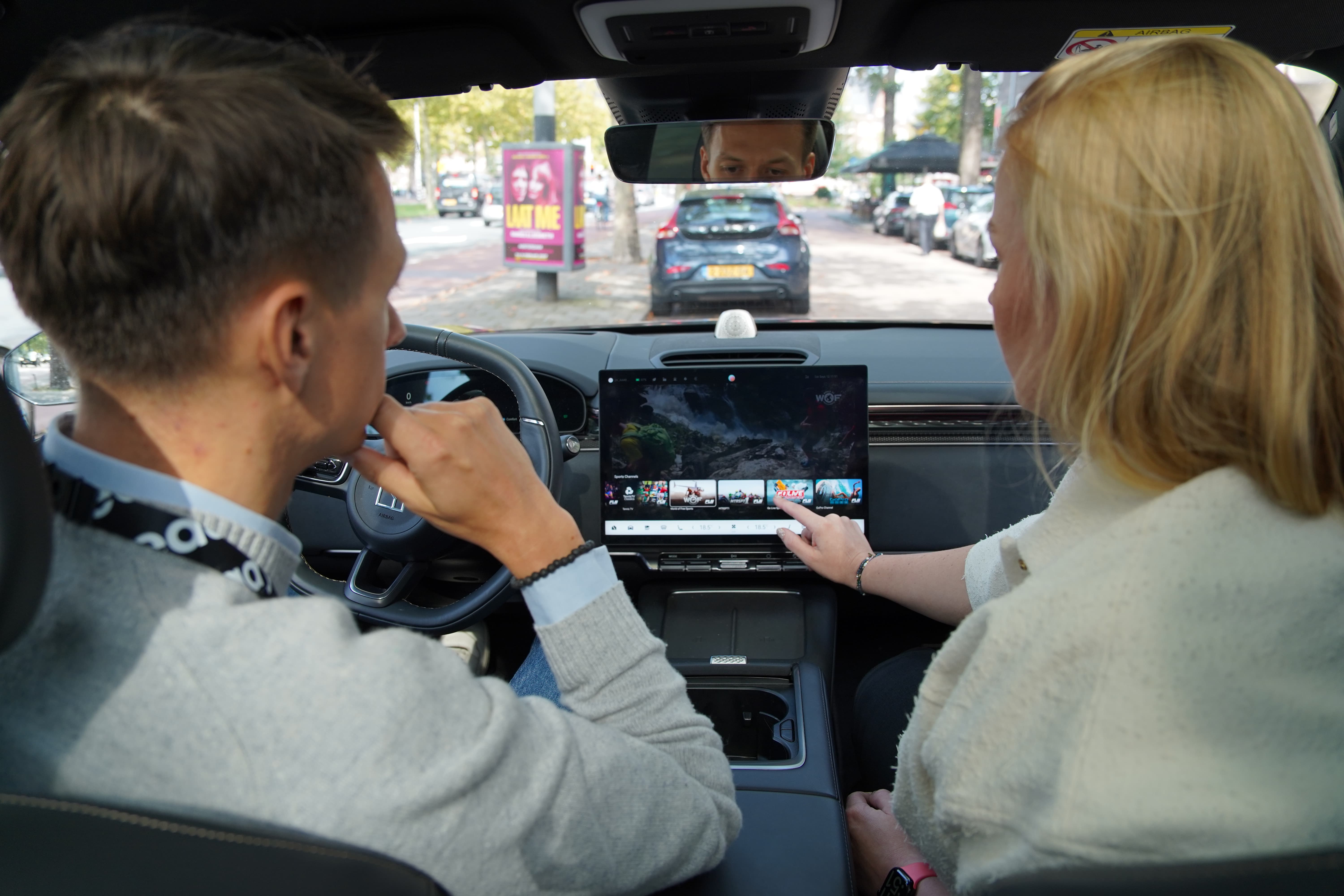
Meet Us at CarApp World Europe | October 5
Book a meeting

En
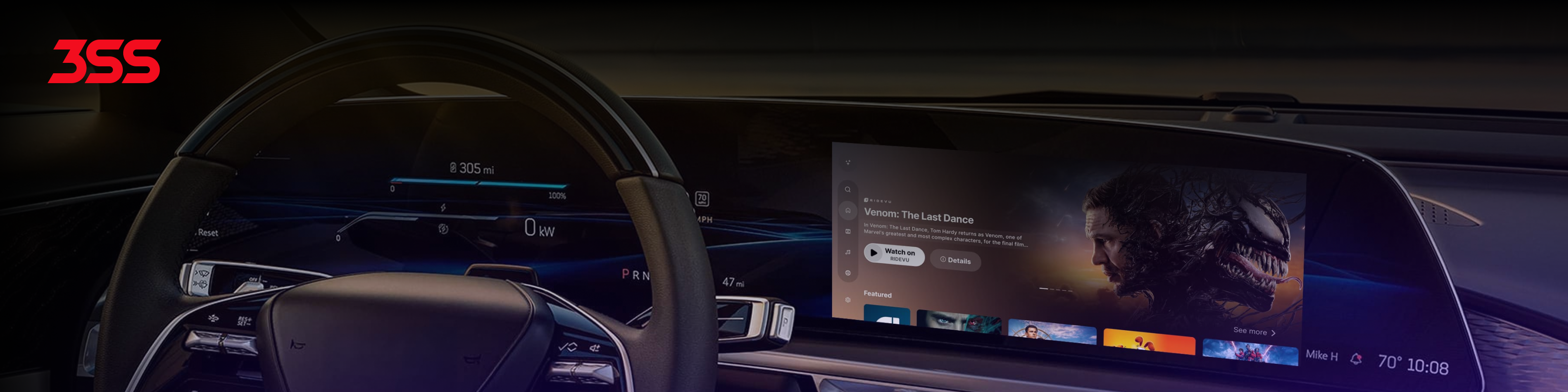
Digital cockpit programmes are accelerating. Linux, AOSP and Android Automotive coexist across vehicle lines. Streaming, gaming and connected services launch with new models. Innovation is not the issue.
The friction starts after launch, when that experience must be operated, adjusted and monetised across multiple brands, regions and operating systems for years. That is where scale exposes structural weaknesses.
Recently on an interview with OTT Watcher India, I took time to explain my thoughts in a bit more detail.
“The automotive software ecosystem is evolving faster than vehicle development cycles. OEMs must be able to pivot without being locked into a single OS or vendor.”
In fact, in my view, platform flexibility protects long-term roadmaps. But it also multiplies operational complexity as each OS brings its own cadence and integration model. Without a unifying layer above them, every platform becomes its own environment for content, UX and commercial teams.
The result is familiar:
Innovation slows not because ideas are lacking but because the operating model cannot scale.
After SOP, cockpit programmes shift from development to operation. The questions change:
In many architectures, experience logic is tightly coupled to the vehicle software stack. Even small changes require release coordination. That works in development. It becomes a bottleneck across brands and platforms.
The structural answer is separation between keeping the vehicle platform stable, safe and compliant and allowing the experience layer to evolve independently.
An orchestration layer above the OS enables that separation. Engineering retains control of safety-critical systems. Experience and commercial teams gain operational agility. Without this decoupling, monetisation and lifecycle management remain constrained by platform release cycles.
Bringing entertainment into vehicles is not a porting exercise.
“In cars, software operates under strict constraints. Variable connectivity, heterogeneous hardware, stringent safety requirements and unique UX expectations must be considered.”
The real engineering challenge is building a robust integration layer that supports Linux, AOSP and Android Automotive while meeting automotive-grade performance and compliance.
Scale requires more than ecosystem access. It requires production-ready integration and governance. And, monetisation depends on control
As we have seen the more vehicles become software-defined, the more revenue discussions intensify. But not all models are equally mature.
Subscriptions are the most concrete opportunity today, especially when bundling driving, comfort, safety and digital features. Single-feature subscriptions rarely sustain value perception.
Advertising holds strong long-term potential but requires ecosystem maturity and responsible targeting.
Data-driven services offer internal value yet demand clear governance and privacy alignment in line with frameworks such as GDPR.
Across all models, OEMs must control experience surfaces, activation logic and analytics consistently across platforms and markets. Without that control, monetisation remains theoretical.
The next competitive advantage in digital cockpit programmes therefore will not come from adding more services but from the ability to operate and evolve them across complex platform environments over the full vehicle lifecycle.




.jpg)