No items found.

En
How in-car entertainment content bundles help automakers bring content partnerships, technical integration and ongoing partner management together.
Bringing entertainment into the car means bringing two industries together, each with its own requirements. OEMs work across vehicle platforms and development cycles. Content providers work across distribution agreements, territorial rights and changing catalogues. A service that feels effortless to the customer depends on those worlds working together.
For OEMs, the biggest challenge is not finding content people want to watch. It is getting that content into the car legally, reliably and in every market where the vehicle is sold, and then keeping it relevant. Each provider has its own stream formats, security requirements, rights footprint and commercial expectations. Each OEM has its own platform, screen setup and release cycle. Multiply that across brands and markets and the work grows faster than the catalogue. That is the thinking behind our 3Ready Content Bundle. At 3SS, we bring content partnerships, technical integration and ongoing partner management together, working alongside 3Ready Automotive to help automakers build and manage their own branded entertainment offering.
3SS (Three Screen Solutions) offers in-car entertainment content bundle services through the 3Ready Content Bundle. Introduced in January 2026, it gives OEMs a single entertainment supplier and gives content providers one shared software integration point that reaches multiple car brands.
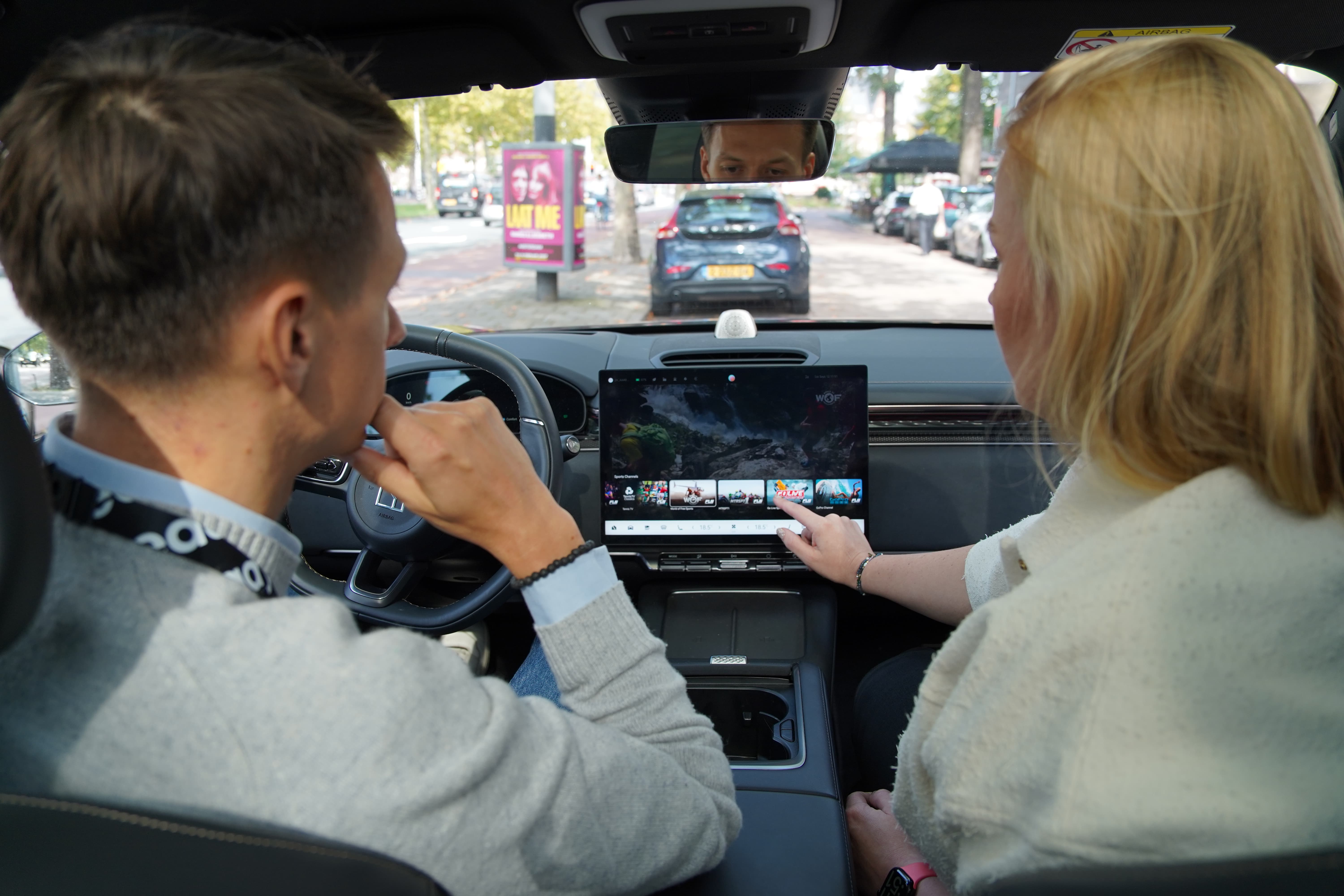
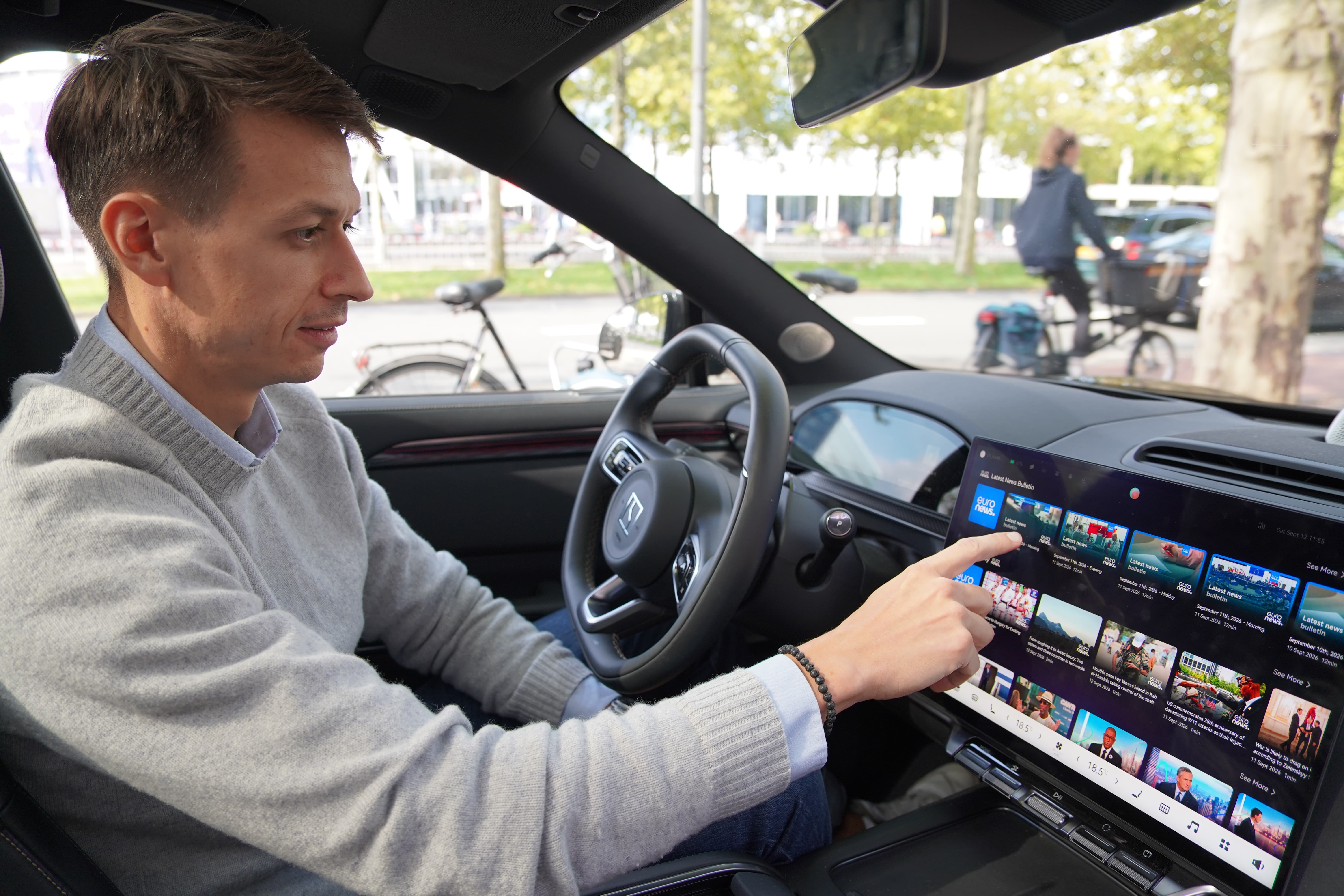
The announced portfolio spans films, news, sport, streaming services, children’s entertainment, karaoke and games, with partners including Bloomberg TV, Free Live Sports, wedotv, Stingray and more.
The 3Ready Content Bundle covers:
The content offered within each vehicle service depends on the agreed selection, markets, rights and deployment requirements. A bundle provides a coordinated way to bring those elements together.
For automakers, the value extends beyond catalogue breadth. It lies in handing over the relationships, integration and day-to-day partner work required to create and keep a useful entertainment offering.
Content, rights and integration are closely connected. A decision in one area can affect what is possible in another. Before any of that, content providers need to be convinced that the car is worth their time.
For most broadcasters and streaming services, the car is a new distribution channel. Existing licences often do not cover in-vehicle use, so rights need a fresh conversation with studios and distributors.
The audience is also hard to size. A single OEM fleet is small compared with TV or mobile, there is no common audience measurement for the car, and advertising demand for in-vehicle environments is still developing. A provider asked to build and maintain a dedicated integration for one car brand will often say no.
We address this with one integration that reaches several OEMs, transparent usage data and flexible commercial models, including licence fees, revenue share and ad-supported distribution. Many partnerships start with a selected catalogue that is tested in live vehicles and expanded once performance is proven.
The in-car market is not one platform. Automakers run Linux, AOSP and Android Automotive OS, with different screen setups, driving restrictions and release cycles, often varying by model within the same group. Rollouts happen market by market.
For a content provider, each of those combinations is another project. For an automaker, each provider is another negotiation and another integration. Aggregation changes the equation. By bringing many partners onto one integration and many vehicles into one audience, a content bundle creates scale that neither side would reach alone.
Adding a streaming service or broadcaster involves more than agreeing to carry its content. Technical integration, testing, presentation requirements and ongoing support all contribute to the work.
Managing each relationship separately creates coordination across commercial, product and engineering teams. For content providers, building a separate integration for every car brand can also make automotive distribution more demanding.
A shared approach can reduce repeated work and make it easier to coordinate the content offering over time.
A content service available in one country cannot automatically be offered in every market where a vehicle is sold. Territorial rights, language options and distribution terms influence the available catalogue.
Customer relevance matters just as much. International brands can create familiarity, while local news and programming make the service useful in each market.
These considerations belong in the content strategy from the beginning, so the proposed offering reflects both audience needs and distribution availability.
A commercial agreement is one part of readiness. Playback capabilities, operating systems, content protection and screen configurations also affect how a service reaches the customer.
Assessing content and technical requirements together helps automakers understand what can be reused and where adaptation is needed. It also supports more informed decisions about the scope of the first launch.
Signing a content partner is the start of the relationship, not the end. Once a service is live, the work shifts to keeping partners engaged and the offering relevant. This is where many in-car entertainment services lose momentum.
With the 3Ready Content Bundle, 3SS manages this day to day on behalf of the OEM:
The result is a service where content providers stay engaged because they can see the value, and OEMs keep a fresh offering without building a content partnerships team of their own.
The content bundle works alongside 3Ready Automotive, our platform for building and operating branded in-car entertainment experiences.
3Ready Automotive supports Linux, AOSP and Android Automotive environments, with integration requirements assessed for each deployment. It gives automakers a shared foundation for bringing content into an experience shaped around their brand.
Through 3Ready Control Center, teams can manage supported content and experience changes centrally. This helps them keep the service relevant without making every editorial update dependent on a vehicle software release.
That ongoing control matters. New content becomes available, priorities change and customers develop preferences. The service needs room to evolve with them.
Škoda Play brings together video from multiple sources alongside Škoda’s own branded content. Powered by 3Ready Automotive on Linux, it combines entertainment with useful information such as service guidance and how-to videos.
It shows how the entertainment hub can also become a place where customers find relevant information from the carmaker.
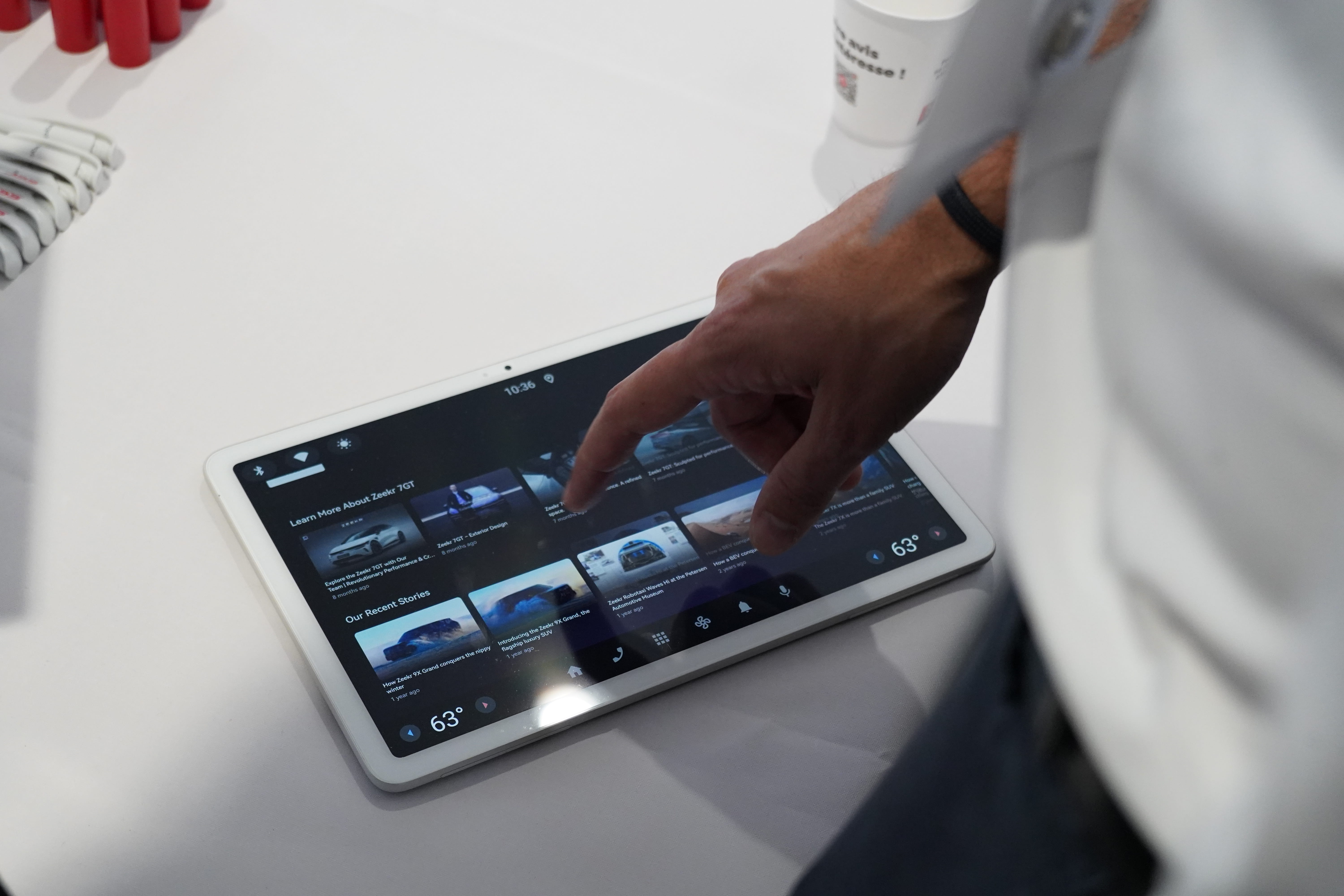
Zeekr Entertainment Hub, developed with Geely Technology Europe, runs on Android Automotive OS. Its launch announcement described more than 15 content providers across streaming, live TV and news, with rollout across multiple Zeekr models in Europe.
A dedicated Zeekr channel adds branded communication, while experience management tools enable curated content updates without requiring an OTA software update.
Read about Zeekr Entertainment Hub
Both illustrate how content aggregation can support distinct branded experiences. Each deployment has its own content offering and availability.
Not automatically. Availability depends on the agreements covering each service. Content selection and territorial coverage need to be established for the intended rollout.
No. The offering can differ between brands, markets and deployments, according to the content strategy, agreements and technical requirements.
Yes. Supported editorial and configuration changes can be managed centrally. Changes to underlying software or vehicle functionality may still require a software update.
With the 3Ready Content Bundle, 3SS does. We handle reporting, performance reviews, editorial support, technical upkeep and commercial follow-up with each partner, in coordination with the OEM.
Yes. Many services launch with a focused selection and add partners as usage data shows what customers watch.
One integration with 3SS can reach several automakers and operating systems. We handle the platform-specific adaptation, testing and rollout, so your team does not maintain a separate project for every brand.
Every partner receives a monthly usage report covering plays, reach and engagement by market, and we review performance with partners regularly.
A useful entertainment service starts with understanding what customers will enjoy and what it takes to deliver it consistently.
Bringing content partnerships, market requirements and integration into the same discussion helps automakers make those decisions with greater clarity—and build a service they can continue to develop after launch.
Talk to our automotive team about bringing the right entertainment offering to your vehicles.